
Product Introduction
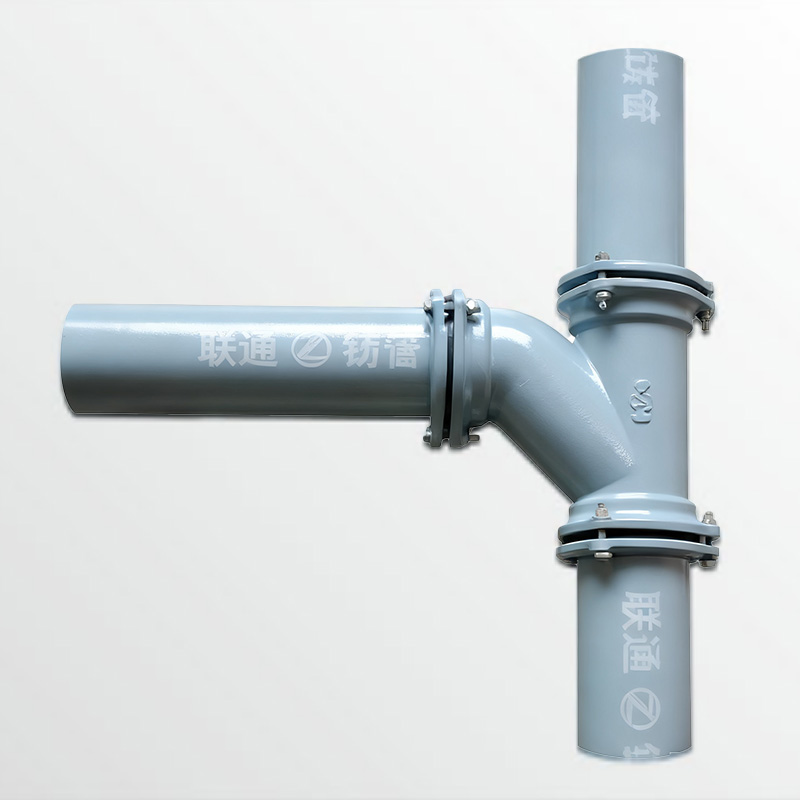
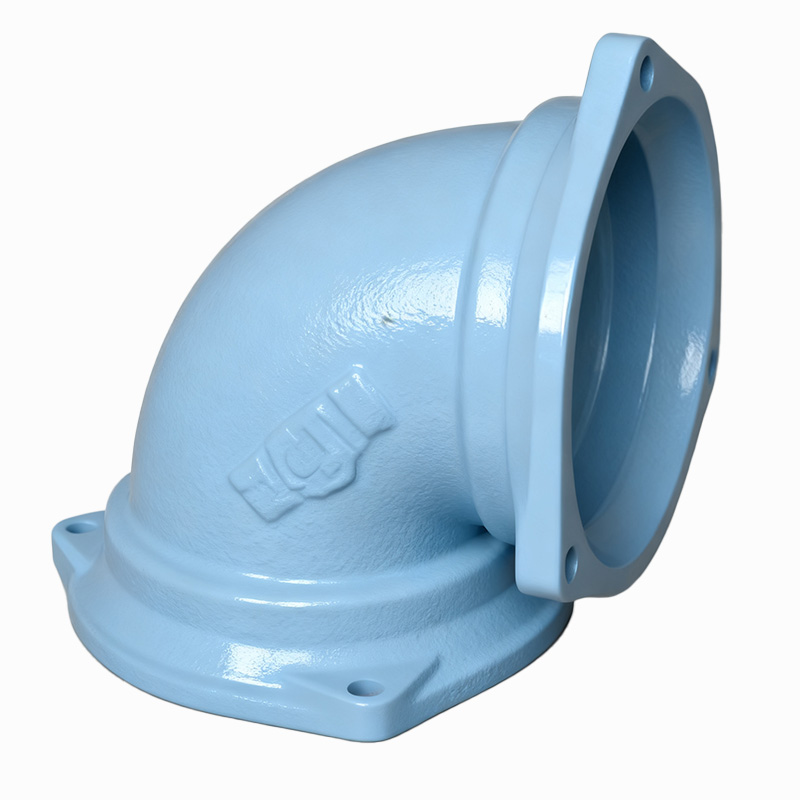
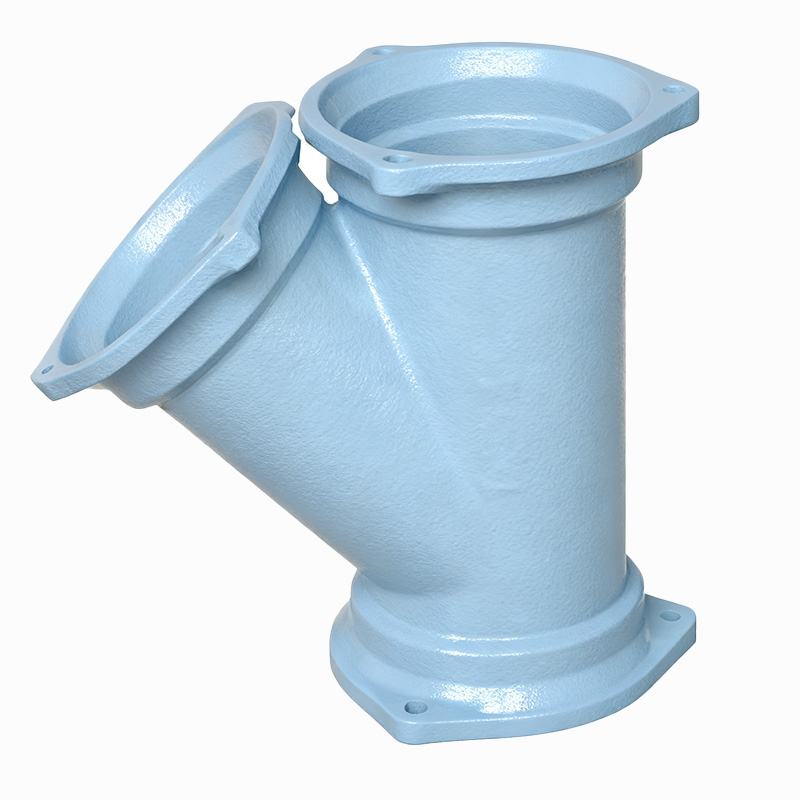
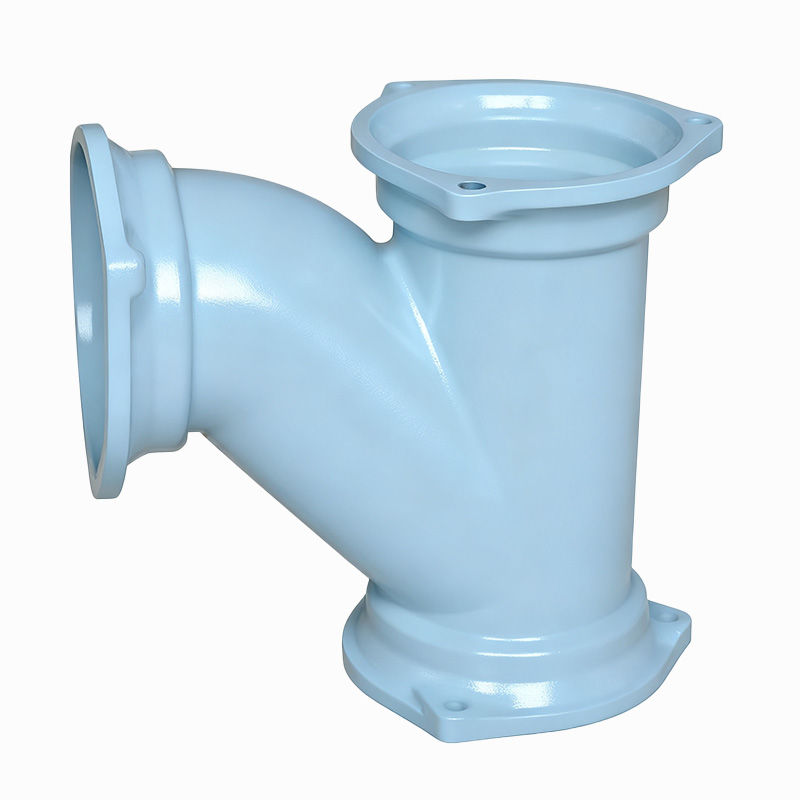
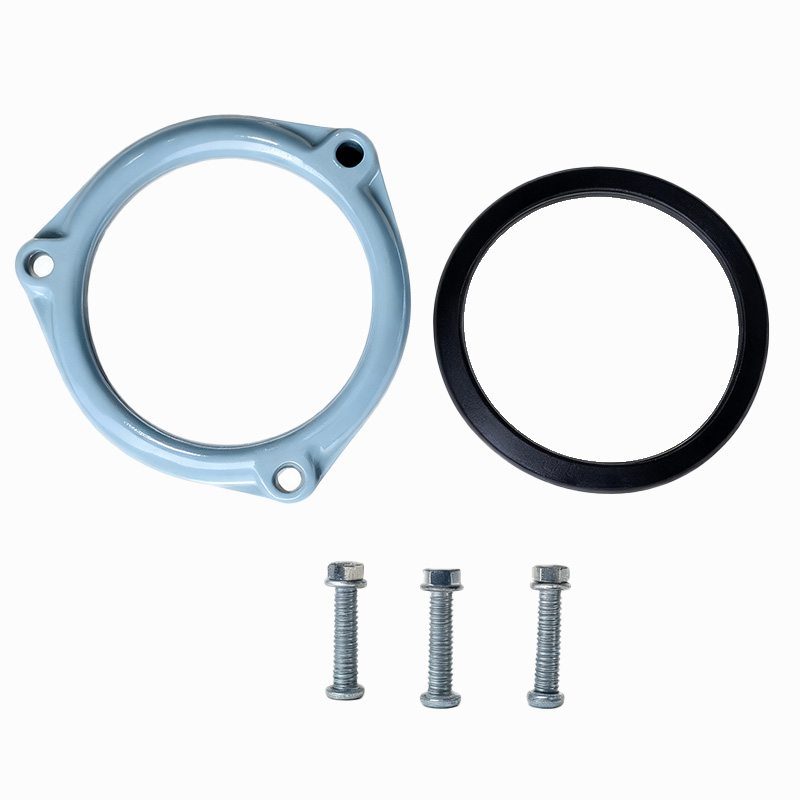
The Type B Flexible Joint Cast Iron Drainage Fitting series is manufactured in compliance with the Chinese National Standard GB/T 12772-2016. This system utilizes socketless pipes (W or W1 type) for straight sections and fully socketed fittings, which are connected using a flange gland, sealing rubber ring, and fastening bolts. It offers excellent sealing, high impact resistance, superior seismic performance, quick installation, easy maintenance, and reliable performance. Compared to Type A fittings, the Type B series provides a more cost-effective and space-saving solution.
Installation Method: Type B Flexible Joint Cast Iron Drainage Pipe and Fittings
1. Pipe Cutting
Cut the W or W1 type straight pipe to the required length. After cutting, ensure the pipe end is perpendicular to the pipe axis, with a smooth and even cross-section, free of burrs or sharp edges to prevent damage to the rubber sealing ring.
Cut the W or W1 type straight pipe to the required length. After cutting, ensure the pipe end is perpendicular to the pipe axis, with a smooth and even cross-section, free of burrs or sharp edges to prevent damage to the rubber sealing ring.
2. Marking and Positioning
Mark the insertion depth line on both ends of the straight pipe. The depth line should be perpendicular to the pipe axis. A gap of approximately 5mm should be maintained between the socket of the fitting and the end of the straight pipe.
Mark the insertion depth line on both ends of the straight pipe. The depth line should be perpendicular to the pipe axis. A gap of approximately 5mm should be maintained between the socket of the fitting and the end of the straight pipe.
3. Component Assembly
Slide the flange gland and rubber sealing ring onto the spigot end of the straight pipe in sequence. Align the upper edge of the rubber sealing ring with the insertion depth line marked on the spigot.
Slide the flange gland and rubber sealing ring onto the spigot end of the straight pipe in sequence. Align the upper edge of the rubber sealing ring with the insertion depth line marked on the spigot.
4. Joint Connection
Insert the spigot end of the straight pipe into the socket of the fitting. Ensure the rubber sealing ring is uniformly positioned within the socket. During installation, verify that the fitting is oriented in the direction of water flow.
Insert the spigot end of the straight pipe into the socket of the fitting. Ensure the rubber sealing ring is uniformly positioned within the socket. During installation, verify that the fitting is oriented in the direction of water flow.
5. Bolt Tightening
Insert the bolts from top to bottom. Tighten the bolts diagonally and crosswise, applying force evenly and sequentially to ensure uniform compression of the rubber sealing ring.
Insert the bolts from top to bottom. Tighten the bolts diagonally and crosswise, applying force evenly and sequentially to ensure uniform compression of the rubber sealing ring.
